
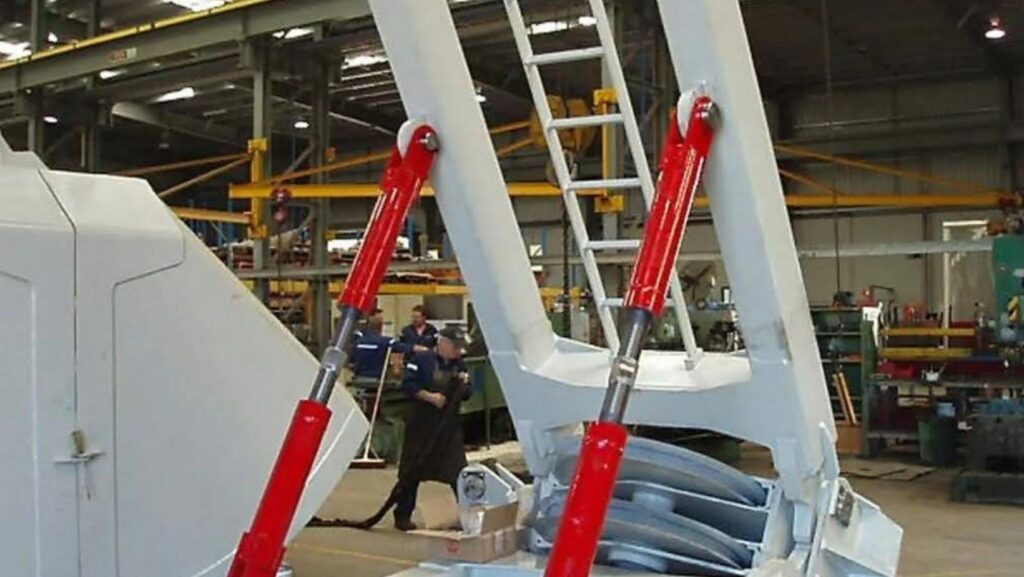
In heavy industry, every weld carries weight, not just structurally, but in terms of performance, and uptime. Precision welding is the foundation that keeps critical equipment operating reliably under extreme pressure and demanding conditions. Even the smallest deviation can compromise an entire system, leading to costly rework. That’s why industry leaders turn to trusted companies for certified precision welding solutions. Where the combination of technical accuracy, compliance, and advanced fabrication processes ensures strength that lasts, helping engineers and operators build long-term confidence in every weld.
Why Precision Welding Is Critical in Heavy Industry
In the demanding world of heavy industry, precision welding is the backbone of reliability and safety. Every weld affects how equipment handles stress, especially in mining, construction, and manufacturing environments. Precise alignment, ensure components can withstand constant pressure without cracking or fatigue. Poorly executed welds, even if minor, can reduce a structure’s load-bearing capacity and lead to dangerous failures. By maintaining exact specifications and quality control, precision welding safeguards support long-term operational integrity, allowing engineers and maintenance teams to operate with confidence under even the toughest conditions.
The Cost of Inaccuracy: What Poor Welding Really Costs You
A single flawed weld can create a ripple effect of lost productivity. In industries where uptime equals profit, inaccuracy quickly becomes expensive, causing costly site shutdowns. Poor weld penetration or misalignment may not be visible immediately, but over time, these weaknesses lead to full equipment failure. The financial cost is only part of the risk and unreliable welds also compromise safety and compliance. Investing in precision welding eliminates these hidden costs by ensuring every joint meets strict standards, delivering stronger performance, and safer operations across the entire production cycle.
What Sets Precision Welding Apart from Standard Practices
Precision welding goes beyond traditional techniques by combining advanced technology, skilled expertise, and stringent quality assurance.
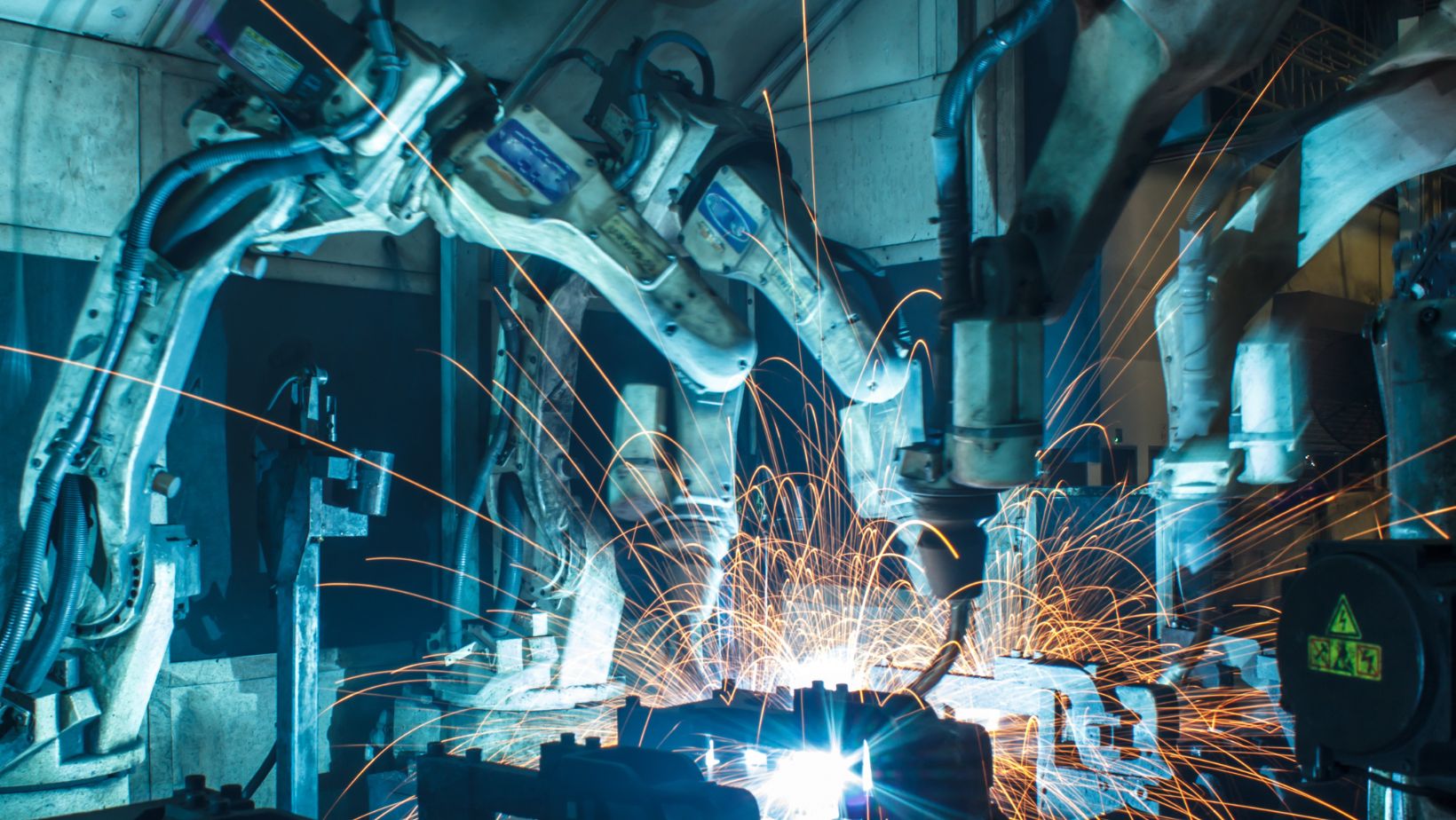
Certified welders follow tested procedures using automated alignment systems, controlled heat inputs, and non-destructive testing (NDT) to verify integrity before equipment returns to service.. This meticulous approach extends component life. The outcome is a weld that not only meets specifications but also delivers measurable performance gains across industrial operations.
Precision Welding and Compliance
In heavy industry, compliance isn’t optional, it’s essential. Precision welding ensures every joint meets Australian and international standards, supported by thorough documentation and traceable inspection records. Certified welders operate under controlled conditions, following approved procedures that guarantee structural integrity and regulatory alignment. This level of accountability helps engineers and maintenance teams pass audits with ease while maintaining insurance and safety obligations. By partnering with certified providers like Berg Engineering, companies gain quality and confidence.
How Precision Welding Improves Reliability and Uptime
Precision welding delivers tangible improvements in performance and longevity across industrial sites. By eliminating defects and ensuring consistent weld quality, maintenance teams experience fewer breakdowns and extended service intervals therefore production targets are met without costly interruptions. In many cases, companies report reduced repair frequency and up to double the lifespan of critical components after implementing precision welding programs. It’s a strategic investment that pays off in cost efficiency, a proof that the right welds don’t just hold things together; they keep entire operations running stronger for longer.
Build for the Long Term with Precision and Expertise
Precision welding isn’t just a maintenance choice, it’s a strategic investment in lasting strength and reliability. By working with certified experts, operations gain the assurance of welds built to withstand extreme conditions and meet the highest industry standards.