
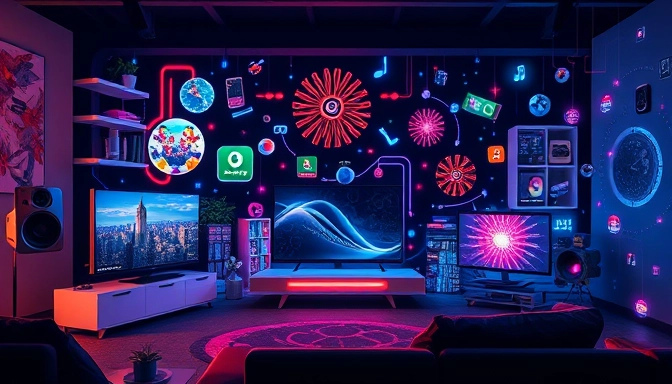
Technology has become so deeply connected with everyday life that people often stop noticing how much it shapes their habits. A smartphone is no longer just a device for calls and messages. A laptop is not only a work tool. A television is not only a screen for evening movies. Today, all these devices are part of one connected digital environment where people communicate, learn, work, relax, play games, watch content, manage money, follow trends, and organize their routines.
One of the biggest changes is the way technology has transformed entertainment. In the past, leisure often depended on a specific place or schedule. People went to the cinema, watched television at a certain time, bought physical games, or waited for a new album to appear in stores. Now entertainment is available almost instantly. Streaming platforms, mobile apps, online games, podcasts, short videos, virtual events, and digital communities have created a world where everyone can choose how, when, and where to spend their free time.
This shift is especially visible in mobile technology. Smartphones have become personal entertainment centers. A person can watch a series while traveling, listen to music during a walk, play a game during a break, read news in the morning, or join an online conversation in the evening. The device fits into a pocket, but it connects users to a huge digital ecosystem. This convenience has changed expectations: people now want services to be fast, simple, personalized, and available across different devices.
Mobile games are a strong example of this evolution. They are no longer seen only as simple time-killers. Many modern mobile games include detailed visuals, storylines, multiplayer features, regular updates, social elements, and carefully designed reward systems. Some are made for short sessions, while others create long-term engagement through events, character progression, creative tasks, and community interaction. Gaming has become a flexible form of leisure that can fit into almost any lifestyle.
Personalization is another important part of the modern digital experience. Streaming platforms recommend films and shows based on viewing history. Music services create playlists for different moods. News apps highlight topics a user often reads about. Online stores suggest products that match previous searches. Games adjust difficulty, offer relevant tasks, and introduce content that keeps users interested. While this raises questions about privacy and data use, personalization has also made digital platforms feel more convenient and intuitive.
The gaming industry has become one of the clearest examples of how technology can mix entertainment, communication, creativity, and culture. Games today are not just products; they are living platforms. Players meet inside virtual worlds, join teams, discuss updates, create content, follow streamers, and take part in events that feel closer to social experiences than traditional games. In this wider digital culture, phrases such as Trip 2 vip may appear as part of conversations around online entertainment, gaming habits, and the language of modern internet communities.
Cloud technology has also changed what users can expect from digital services. In the past, advanced software and high-quality games often required powerful hardware. Now, cloud-based platforms can process data on remote servers and deliver the result to almost any connected device. This makes complex digital experiences more accessible. A user can start watching a movie on a TV, continue on a tablet, and later open the same account on a smartphone. Files, playlists, game progress, and settings can move with the person, not stay locked to one machine.
Artificial intelligence is another force shaping everyday technology. AI helps recommend content, improve search results, translate languages, edit photos, filter spam, organize information, and even support creative work. In entertainment, it can help generate music suggestions, improve video quality, assist game developers, and create more responsive virtual environments. For many users, AI works quietly in the background, making digital services faster and more personal without requiring them to understand the technology behind it.
At the same time, the growth of digital entertainment brings new challenges. People need to think about screen time, online privacy, digital balance, and the quality of the content they consume. Easy access can be useful, but it can also become overwhelming. Notifications, endless feeds, and constant recommendations can make it difficult to switch off. Because of this, many users are becoming more mindful about how they use technology. They choose quiet modes, limit app usage, unsubscribe from unnecessary platforms, and look for healthier ways to combine online and offline life.
The future of entertainment will likely become even more interactive. Virtual reality, augmented reality, wearable devices, smarter AI tools, and faster networks will continue to blur the line between physical and digital experiences. People may attend concerts through immersive platforms, use AR glasses for interactive learning, play games that respond to real-world movement, or enjoy personalized stories that change based on their choices. These technologies are still developing, but they already show how flexible and creative digital entertainment can become.
In the end, technology is not only about devices, systems, or software. It is about how people use them to shape their daily lives. Digital tools can make work easier, communication faster, learning more accessible, and entertainment more personal. The most interesting part of this transformation is not just the technology itself, but the way it changes habits, expectations, and culture. Modern entertainment is becoming more connected, more flexible, and more interactive — and this is only the beginning of a much larger digital shift.