

Injuries have always been the great unknown. One moment, a star athlete is dominating, and the next, they’re sidelined. Bettors panic. Odds shift wildly. But now? Something remarkable is happening.
Enter AI-driven “Form Recovery Predictors.” These are not your average stats tools. They are sophisticated systems analyzing thousands of data points—muscle strain history, psychological readiness, opponent quality upon return, even sleep patterns. And they are helping bettors spot undervalued athletes before the market catches on.
Let’s be clear: This isn’t magic. It’s full-on machine learning, and not only is it incredibly exciting, but it’s also changing the game for lovers of all sports.
Why Traditional Metrics Miss the Mark
Conventional wisdom says: “A player coming off an ACL tear? Fade them for at least a month.” Coaches do it. Media repeats it. Casual bettors follow blindly, but humans are terrible at judging recovery curves.
We remember the disasters—the star who never looked the same or forget the quiet comebacks. The 75% healthy athlete who suddenly performs at 110% because they’ve rested, retooled, and redefined their game.
AI doesn’t have memory bias, as it crunches numbers and compares that athlete to hundreds of similar cases—same age, same injury type, same playing style. Then it spits out a prediction: Expected performance in Week 3 post-return: 18% above market projection. That gap? That’s your opportunity.
The Three Layers of Recovery Prediction
Layer one: Physical biomarkers. GPS tracking, load management data, and even inflammatory markers from wearable tech. The AI knows if the hamstring is truly ready.
Layer two: Contextual fit. A power pitcher returning to a hitter-friendly park? A point guard rejoining a pace-and-space offense? Recovery is not one-size-fits-all. The AI adjusts.
Layer three: Psychological trajectory. This is the secret sauce, as social media sentiment, interviews, practice intensity—natural language processing decodes confidence levels. An anxious athlete gets a “caution” flag. A hungry one gets a “green boost.”
How Bettors Are Using These Tools (And Feeling Like VIPs)
Imagine this: You log into your favorite platform, KoiFortune, and you’re greeted by beautiful graphics and a friendly voice. “Welcome back. Three high-confidence recovery plays available today.”
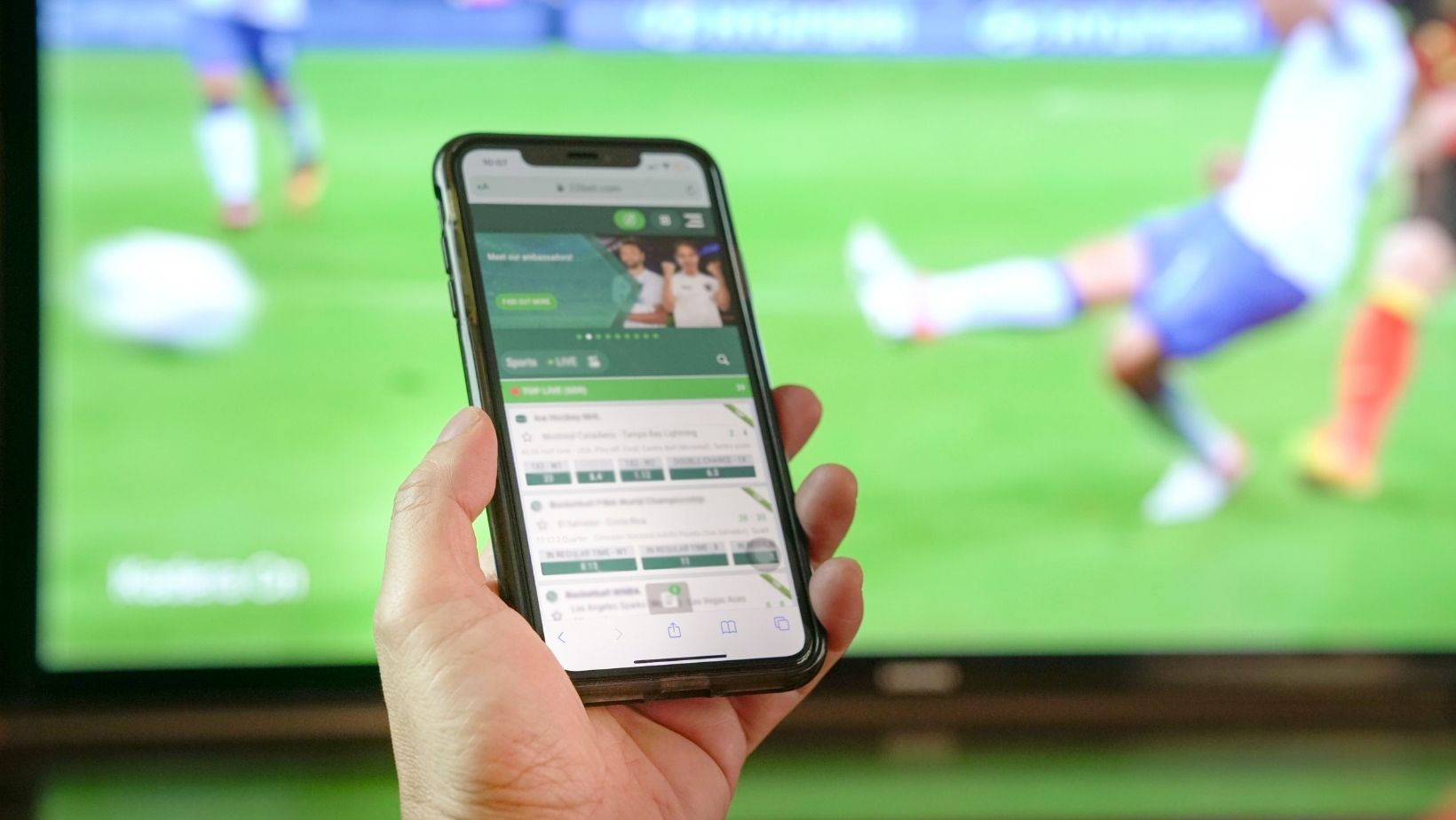
That’s the vision, and it’s already taking shape.
Here’s where you, as a participant in this space, come in. You wouldn’t just be clicking buttons, but leveraging institutional-grade intelligence. The same tools that team analysts use? Now they fit in your pocket. You place a bet on a tennis player returning from wrist surgery—+250 odds. The public sees risk, but the AI sees a 64% chance of a straight-sets win. That’s not gambling blindly. That’s betting with an edge.
A Step-by-Step Example
Let’s make this concrete.
- Step 1: An NFL running back tears his MCL in Week 6. Market assumes he’s done for fantasy relevance.
- Step 2: AI Form Recovery Predictor tracks his rehab. His burst metrics in practice hit 92% of pre-injury by Week 12.
- Step 3: Week 13 opponent has the league’s worst run defense. AI projects: 85 rushing yards, one touchdown.
- Step 4: Betting lines still list him as a backup. Over/under rushing yards set at 42.5. You take the over.
- Step 5: He goes for 94 yards and a score. You win. The market adjusts next week—but you were first.
This happens every single Sunday now, and the platforms that offer these predictors treat you like a high roller, even on a $10 bet, because informed participants stick around. They enjoy the process. They feel smart. And that’s good business.
The Positive Feedback Loop Everyone Wins
Here’s the beautiful part. When bettors use AI recovery predictors responsibly, everybody benefits.
- You win more bets. Not every time—nothing is perfect. But your hit rate climbs from 48% to 56%. That’s massive over a season.
- The sportsbook gets sharper. Real-money action on undervalued athletes teaches the market. Lines correct faster. The whole ecosystem becomes more efficient.
- The athlete gets respect. No longer just “the injured guy,” AI validates their hard work, and when you bet on them? You’re cheering their comeback story. That’s emotional, human, and thrilling, as you’re recognising resilience.
A Word on Responsible Play
Even with AI, no lock exists, and surprises happen. A player tweaks the same knee. A coach limits minutes unexpectedly. The predictor is a guide—not a guarantee… but here’s the mindset shift: You’re no longer guessing. You’re evaluating probabilities, and that transforms wagering from a chase into a craft.
The Future Is Already Here
Within three years, form recovery predictors will be standard, and every major book will offer them, so the question isn’t if you should use them. It’s how early you adopt.
Early adopters right now are finding lines that won’t exist next season, as they’re placing stakes on second-half surges before the public notices and turning “post-injury uncertainty” into “post-injury opportunity.”