
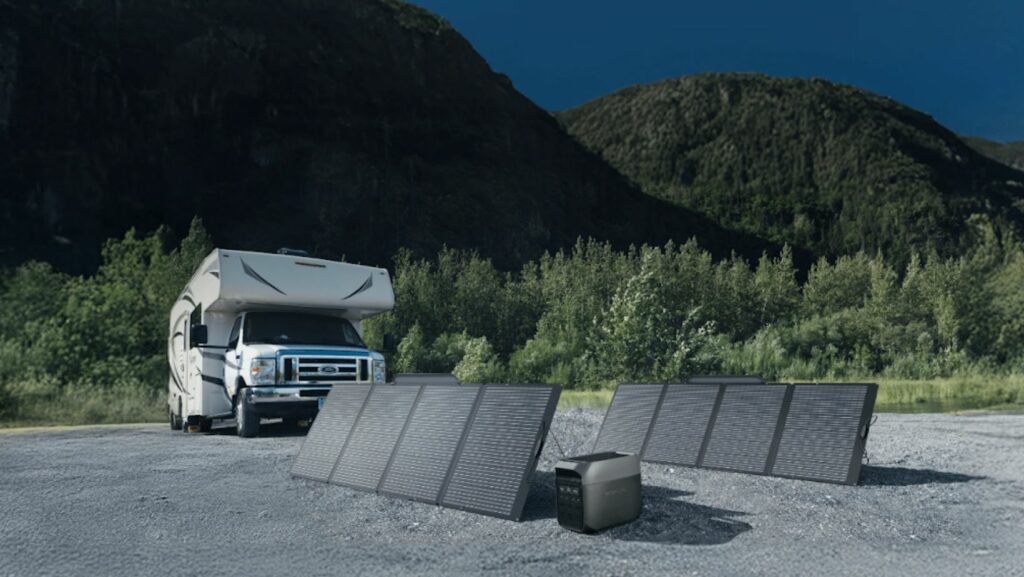
With the increase in energy prices, power infrastructure is aging, and outages due to climate conditions are becoming more commonplace. Individuals are seeking alternative sources of power that are reliable and ecologically friendly. The solar generator is one of those technologies that have quickly transitioned between niche and mainstream, being a portable, rechargeable system of power, but now powered by solar energy rather than by fuel.
A solar generator is silent, free of fumes, has only a small maintenance burden, and can be installed either outdoors or indoors, unlike a standard gasoline generator. It is now a key backup energy source in homes, travel, remote work sites, disaster preparedness, and off-grid living. As battery technology and solar efficiency improved, it is now possible to use a solar generator to power not only phones and laptops but also refrigerators, power tools, and even small home appliances.
What Is a Solar Generator? How Does It Work?
Solar generator is not a single device but a full power system consisting of four major components: solar panels, a charge controller, an in-built battery, and an inverter. The solar panels receive the sunshine and convert it into electricity. The electricity is then stored in the battery. To obtain the power, the stored energy is converted to AC power by the inverter and thus can be used to power household or electronic devices in the same way a wall outlet would do.
The difference between a solar generator and a fuel generator is how they generate energy. It does not burn diesel or gasoline, but rather uses the sun, so there is no noise, no poisonous gases, and there is no need to rely on the availability of fuel. This makes it a perfect fit to emergency backup, off-grid sites, indoor applications, and environmentally friendly customers.
The Reason Why Solar Generators are an Emerging Power Solution
Solar generators are becoming popular among homeowners, travelers, and off-grid consumers due to a number of reasons.
Maintenance-Free and Fuel-Free Operation.
No fuel refills, no oil changes, or mechanical service are needed in a solar generator. It works as soon as it is charged. This saves lifetime costs and removes the continuous cost of gasoline or diesel.
Safe for Indoor Use
Gas generators emit carbon monoxide and should be kept out. Solar generators do not generate any kind of emissions and are safe to be operated indoors in homes, apartments, RVs, or tents.
Silent Operation
A solar generator is also quiet, since it has no engine- this will be beneficial when camping, during the night, or in neighborhoods with noisy conditions.
Perfect in an Emergency.
Solar generator is able to power critical devices in case of power outages, such as lights, phones, routers, fans, medical devices, and refrigerators. It can still be used even when there is a long outage since it gets recharged by the light of the sun.
A Long-Term and Sustainable Energy Option
A solar generator results in zero carbon footprint, as it does not rely on fossil fuel, and the sun is a free and renewable energy source for several years.
How to Select a Solar Generator.
Not all solar generators are made to the same end. There are the ones that are small and can be used outside, and also those that are meant to supply a complete family in times of blackouts. The following factors are important when selecting one:
Battery Capacity
Capacity in watt-hours is used to define the duration that the generator can operate appliances. Refrigerators, power tools, and long-term backup require an increase in capacity.
Power Output
This informs you of how many devices it can serve simultaneously and how strong these devices can be. Large appliances such as coffee makers, microwaves, or heaters require a larger wattage production.
Charging Options
Solar generators are the most efficient to do multiple charging options, including solar panels, AC wall charging, and car charging. The rate at which the generator recharges during sunlight is also determined by a fast solar input rate.
Portability vs Stationary Use
There are generators that roll on wheels or handles so that one can move them easily, whereas others are larger and are supposed to be left at a location. The lifestyle will decide the best style.
Battery Chemistry
Most new solar generators incorporate lithium iron phosphate (LiFePO4) batteries, which have a long cycle life, are more safely used, and have a longer storage life than older lithium-ion batteries.
Expandability
Other systems are capable of adding additional batteries or other solar panels in the future, which helps out in the event that your energy requirements increase.
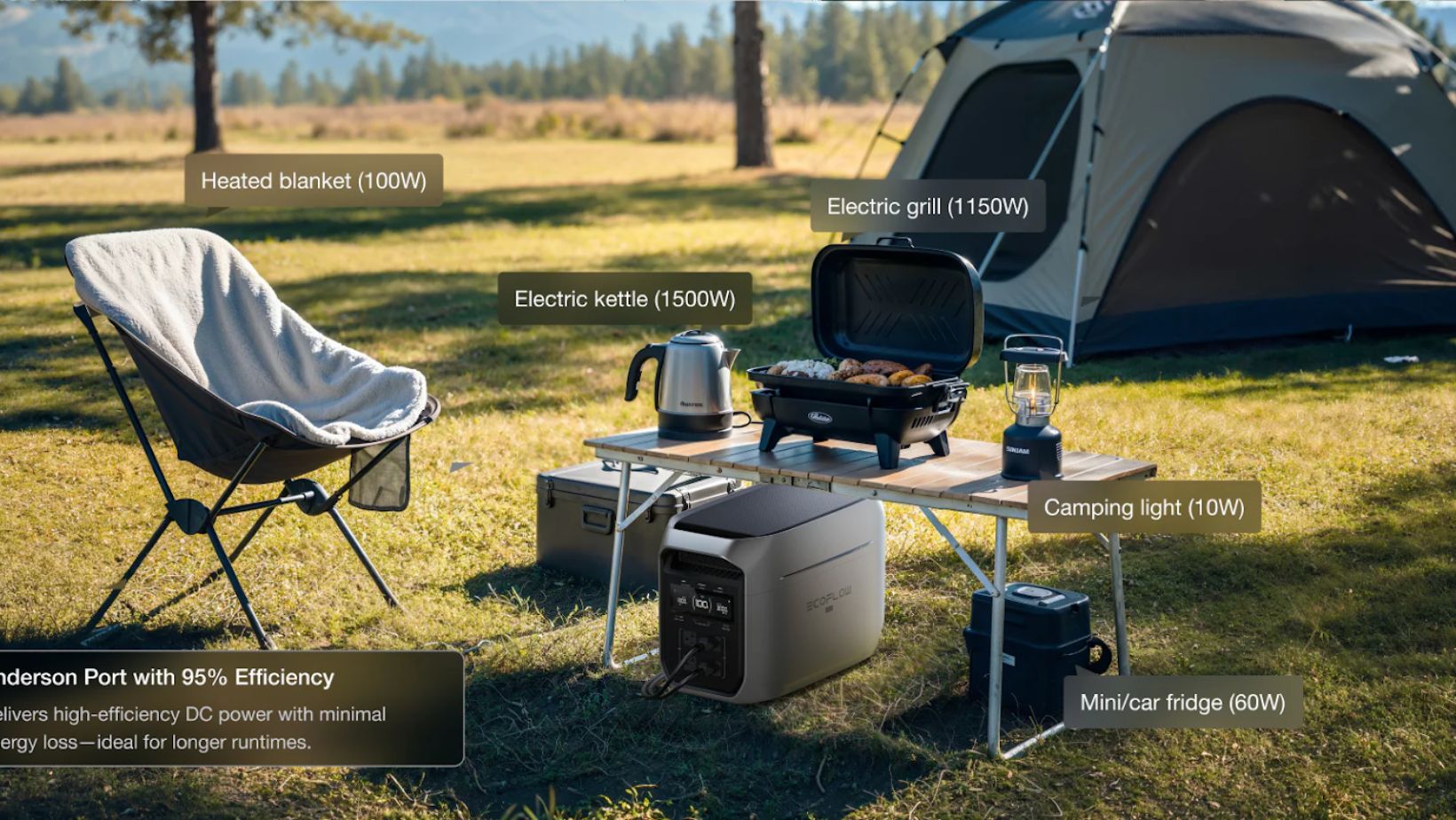
Solar Generator vs Fuel Generator: Why the Shift Is Happening
Portable power was limited to fuel generators over decades. However, noise, fumes, cost of fuel, high maintenance and outdoor use only have caused people to rethink. A solar generator addresses almost all of those problems.
It is free, silent, and is independent of fuel supply chains. It is also free to recharge by just putting the panels in the sunlight. Due to the advancement in battery technology, solar generators have become just as efficient as most of the fuel-powered medium-size generators but at no side effects.
The transition is economic to many individuals as well as practical. A solar generator costs nothing in terms of recurring fuel expense when purchased and minimal in terms of degradation with time. This makes it a long term investment rather than a fixed cost.
Conclusion
A solar generator is not simply a portable battery, but a convenient solution to energy insecurity, increasing fuel costs, and environmental issues, often paired with other practical off-grid services like Prime Dumpster porta potty rental for remote setups. It offers a safe, renewable source of power that can be used whether as a backup system in case of a home emergency, as a source of power during travel, or as an off-grid living tool in lieu of traditional generators.
It is a symbol of being fuel free, noise free and free of the grid.