
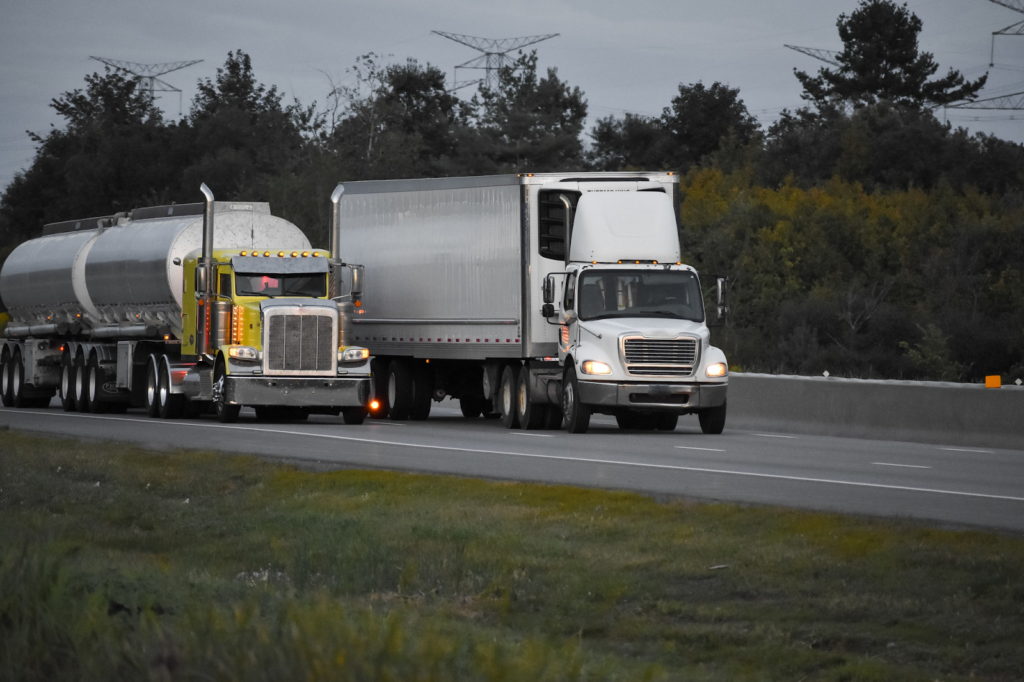
Fleet management is not a walk in the park. It can feel overwhelming trying to balance fuel efficiency without compromising on driver productivity.
The good news? There are a ton of expert practices you can follow to simplify fleet management. Whether you run a small business or manage fleet operations for a large company, this guide will help you streamline operations. Here are five powerful ways you can simplify fleet management:
- Know Common Fleet Challenges
You can’t fix something unless you know the root cause. This is why it’s important to familiarise yourself with the common challenges of fleet management. Fleet managers typically run into the following obstacles:
- Rising fuel prices
- Route inefficiency
- Disorganised records
- Supply chain issues
- Regulatory compliance
- Driver shortage and retention
Considering common fleet management issues will help you find solutions and take the best course of action.
- Implement Fleet Management Software
One of the best ways to simplify fleet management is to implement specialised software. It is a centralised platform that helps you track, monitor, and optimise company vehicles. All vehicles are integrated with GPS to collect real-time data on location, speed, fuel usage, and driver habits.
Fleet managers can use this platform to find gaps in fleet performance and maintenance. Some fleet management software can also automate workflows like dispatch, route optimization, and maintenance alerts. This helps reduce manual, error-prone fleet processes.
Using a reliable fleet management software will help your business stay compliant. You can track every vehicle’s emissions and hours of service to ensure compliance with regulatory bodies.
- Get a Business Fuel Card
A business fuel card is another excellent way to streamline fleet management, especially in terms of rising costs. It works just like a credit or debit card, but can only be used at partner fuel stations to refill company vehicles.
The benefits of using a business fuel card include:
- Cost efficiency. Many fuel card providers offer discounts or rebates. The more fuel you use, the greater the discounts you get.
- Simplified logistics. Using a fuel card means managing all vehicle-related expenses from one account. You can get a monthly or weekly fuel bill, eliminating the need for individual reimbursements.
- Detailed reporting. With fuel cards, you can get real-time data on who, where, when, and how much fuel was purchased. This will offer insights into usage and performance.
You can compare the features of different fuel card providers, such as the United fuel card or other private providers.
- Educate and Train Drivers
Drivers are the backbone of a company’s fleet sector. The best thing you can do is train them to use best practices. For instance, a comprehensive driver training program would teach them how to:
- Avoid rapid acceleration
- Avoid aggressive stopping
- Maintain a steady speed on the highway
- Avoid stop-and-go traffic
- Reduce idling
- Anticipate traffic and plan their route
- To ensure proper vehicle handling
- Schedule Maintenance Checks
Lastly, you should schedule regular maintenance checks to avoid downtime, which can cost a lot of money in the long run. This will also help prevent small maintenance issues from turning into hefty repair bills.